




According to the Landlord and Tenant Board of Ontario, cleaning disputes drive a noticeable share of damage claim hearings every year, and most of them turn on the same question: was the unit reasonably clean when the tenant left? A solid move out cleaning guide does two things at once. It protects landlords from carrying the cost of a unit that needs three days of work before the next tenant moves in, and it gives tenants a clear standard so they can hand back keys without losing the deposit. The trick is being specific. “Clean” means different things to different people, but a documented checklist closes that gap. Mrs. CleanMol handles dozens of these every month, cleaning across Mississauga and the GTA, and the patterns are consistent.
This post is the move out cleaning playbook landlords actually use. It covers what to require in the lease, how to inspect, where the typical fights happen, and what GTA-specific rules to know about deductions.
What a Move-out Cleaning Guide Should Include
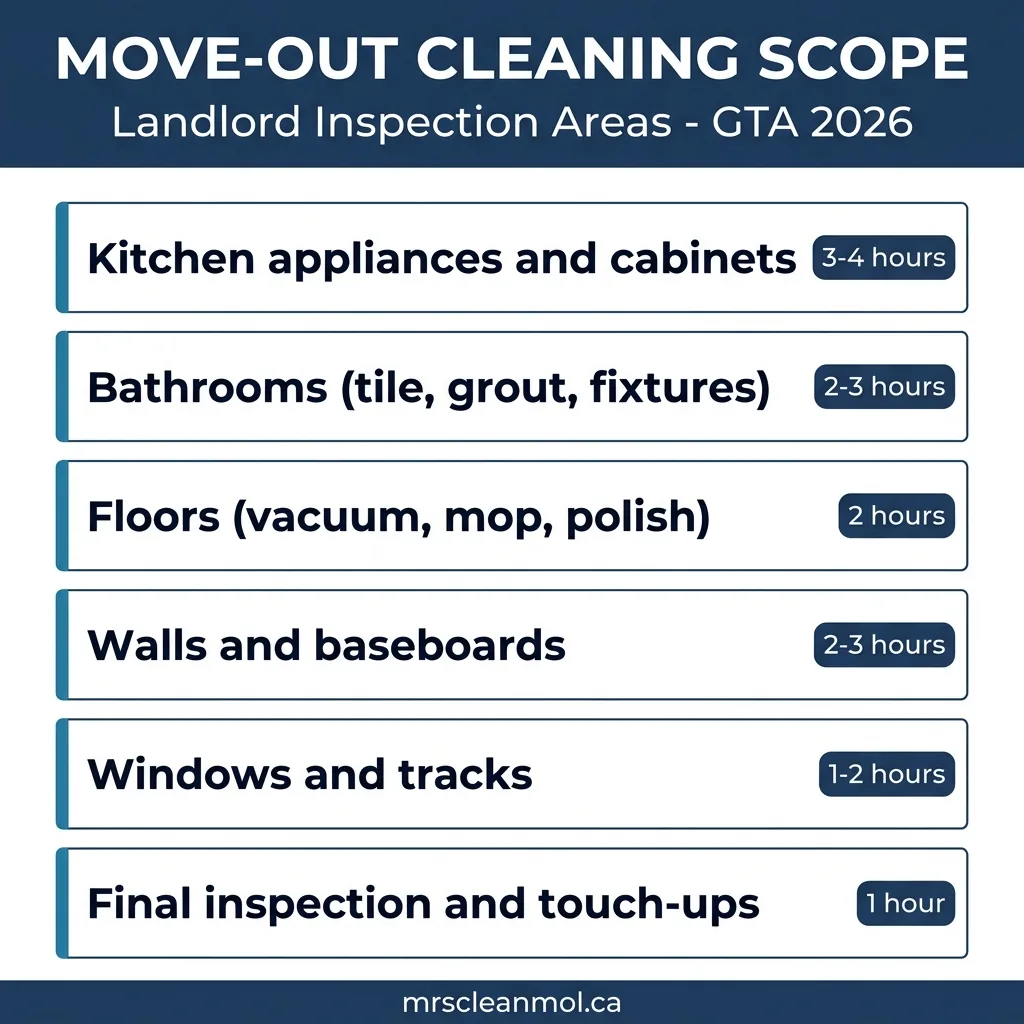
Vague language costs landlords money. “Leave the unit in good condition” can mean almost anything. A real move-out cleaning guide breaks the unit into rooms, lists specific tasks per room, and assigns clear pass/fail standards. The detail matters because the next tenant will judge the unit on the same details, and so will the Landlord and Tenant Board if there is a dispute.
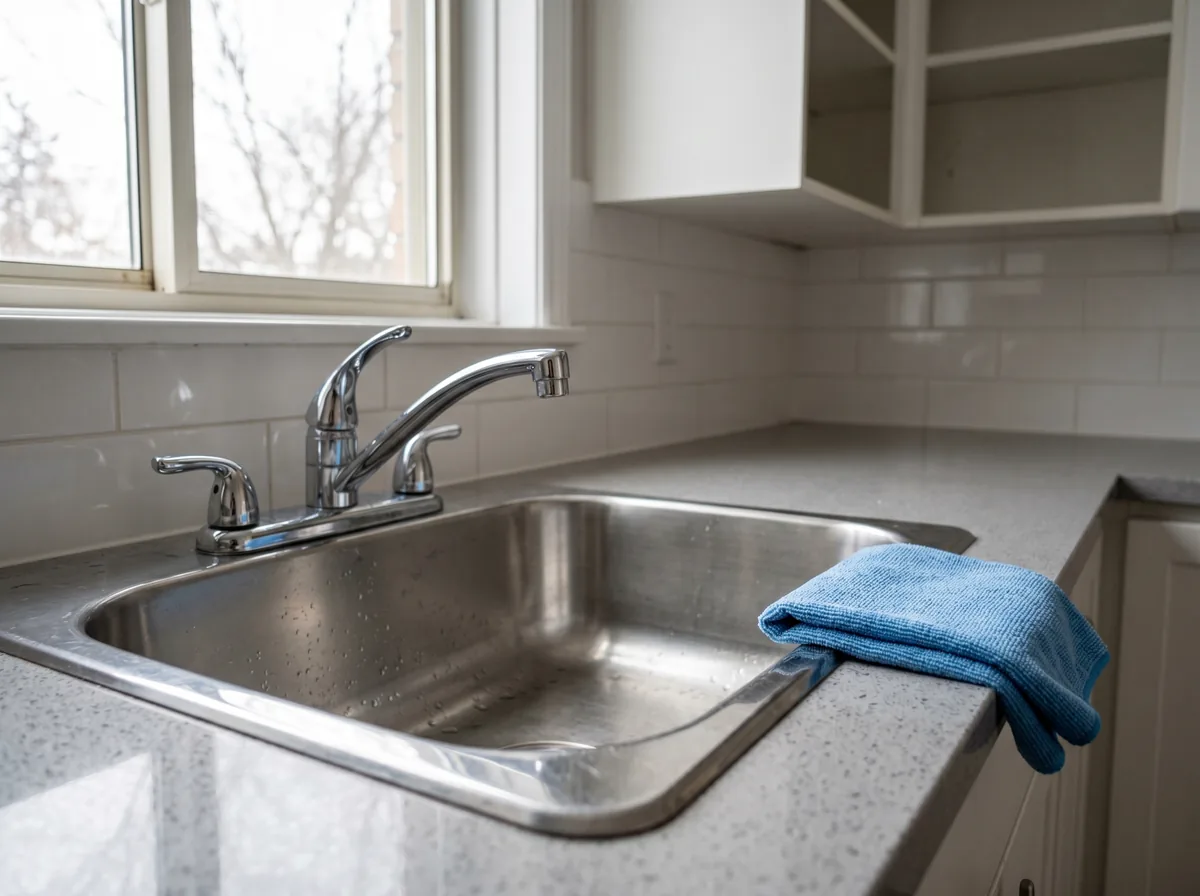
- Kitchen. Inside and outside of all appliances, range hood filter degreased, oven racks scrubbed, fridge unplugged with the door propped open if the unit will sit empty, cabinets and drawers emptied and wiped down, sink and faucet polished, garbage disposal flushed.
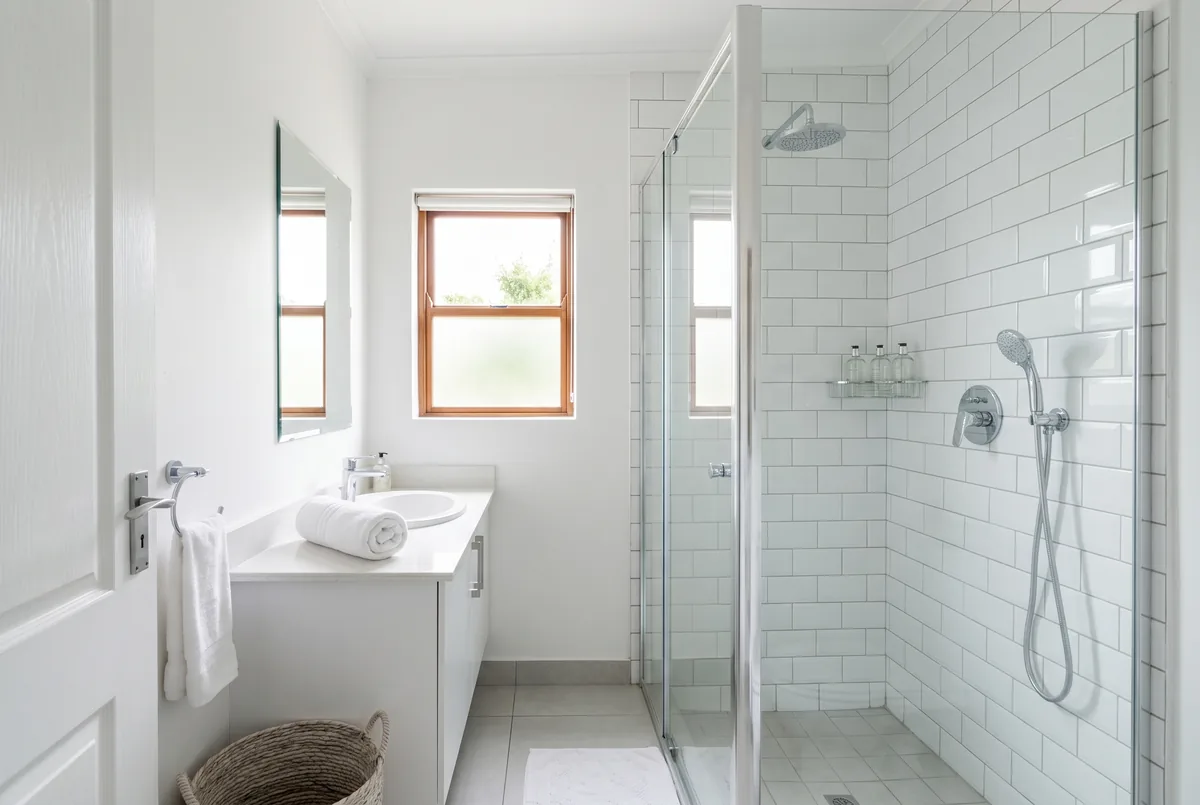
- Bathrooms. Toilets cleaned including the base and behind, bathtub and shower scrubbed including grout, mildew and soap scum removed, mirror cleaned, vanity emptied and wiped, exhaust fan cover removed and washed.
- Floors. All floors vacuumed, hardwood and laminate damp-mopped with a pH-neutral cleaner, carpets professionally cleaned with a receipt provided. Pet households almost always need this last one.
- Walls and ceilings. Cobwebs removed, marks and scuffs spot-cleaned, light switches and outlet covers wiped. Repainting is not the tenant’s responsibility unless damage exceeds normal wear and tear.
- Windows. Inside surfaces cleaned, tracks vacuumed, blinds dusted. Outside surfaces are typically the landlord’s responsibility unless the lease says otherwise.
- Outside the unit. Balcony swept, patio furniture removed, garage or storage locker emptied and swept, parking spot free of debris.
People often ask
Can a landlord deduct cleaning costs from a last month’s rent deposit in Ontario?
In Ontario, the last month’s rent deposit can only be applied to the actual last month of the tenancy. Landlords cannot legally deduct cleaning costs from it. If the unit needs cleaning beyond reasonable wear and tear, the landlord must apply to the Landlord and Tenant Board for compensation through Form L2.
The Landlord’s Decision Tree
Three paths handle most move out scenarios. Each one suits different landlord profiles. None of them are wrong. The mistake is picking the wrong path for the unit.
Option 1: Tenant Cleans, Landlord Verifies
Best for long-term tenants who took good care of the unit. The lease specifies the cleaning standard, the tenant follows the move out cleaning guide checklist, and the landlord inspects on the move out date with the tenant present. If the standard is not met, the tenant has the option to re-clean before keys are returned, or the landlord arranges a service and seeks compensation through the Board.
Option 2: Landlord Cleans Between Tenants
Best for landlords who own multiple units and have downtime between tenancies. The unit is built into the turnover schedule. Cleaning happens during the vacancy gap, costs are absorbed as a normal operating expense, and the new tenant moves into a verified clean unit. Predictable, but only economical if the landlord has the time or in-house staff.
Option 3: Professional Move-out Cleaning Service
Best for landlords who do not have time, who own the unit at arm’s length, or who need a documented receipt for the next tenant. A move out cleaning service handles every item on the checklist, provides photo documentation, and finishes in a single day. The result is consistent across units, which matters for landlords with three or more properties.
Pro tip
Take dated photos of every room before move-in and again at move-out. Keep them in the tenant file. If a Landlord and Tenant Board hearing happens later, photo documentation is the single strongest piece of evidence and it costs nothing to gather.
What Ontario Law Says About Cleaning Deductions
Ontario has clear rules on what a landlord can and cannot deduct for cleaning at move-out, and they often surprise landlords coming from other provinces. The Residential Tenancies Act distinguishes between normal wear and tear, which the landlord absorbs, and damage or excessive uncleanliness, which the tenant can be charged for. The line between the two is judged by the Landlord and Tenant Board case by case.
A few examples of what each side typically covers, drawn from how the Board has decided past cases:
- Normal wear and tear (landlord absorbs): faded paint, minor wall scuffs, light carpet wear in traffic paths, regular dust.
- Tenant responsibility: grease buildup on stovetop and range hood, soap scum on shower walls, food residue in fridge, urine staining on carpet from pets, mould from poor ventilation use.
- Damage beyond cleaning: burn marks, broken tiles, large holes, anything requiring repair rather than cleaning.
Red flag
Do not deduct cleaning costs from the last month’s rent deposit, even if the unit is left in poor condition. The deposit is legally restricted to the final rent period. Withholding any portion of it for cleaning gives the tenant grounds for a Board application against you, and they will usually win. The correct path is to file Form L2 to seek compensation, with photo documentation and receipts.
The Government of Ontario publishes plain-language guidance on this in Ontario’s renting rights and responsibilities information, and the Landlord and Tenant Board posts updated forms and procedures at the Landlord and Tenant Board hearing portal. Both are worth reading before any move out cleaning dispute escalates.
Disclaimer
Cleaning recommendations are general guidance only. Confirm material and surface compatibility with manufacturer instructions before applying any product. This article is not legal advice. For tenancy disputes, consult a lawyer or paralegal experienced in Ontario landlord and tenant matters. Mrs. CleanMol is not liable for outcomes from actions taken based on this content.
Which Approach Fits Which Landlord
Single-property landlords with stable long-term tenants usually do best with Option 1 (tenant cleans with checklist verification). The cost is zero, the tenant has incentive to do it well, and a clear standard prevents most disputes.
Landlords with multiple properties, properties managed at a distance, or units with high turnover almost always benefit from Option 3 (professional service). The per-unit cost is predictable, the documentation is automatic, and the next tenant arrives at a unit that meets a consistent standard.
Edge cases like estate cleanouts, post-eviction units, or units with smoke or pet damage often need specialty work beyond standard move out cleaning. These benefit from a written scope agreement up front and photo documentation throughout, regardless of who does the work.
Download the free quick guide
A landlord-ready move out cleaning checklist as a printable PDF for your tenant package.
Get the move out cleaning checklist (PDF)Sources and References
- Government of Ontario, renting in Ontario, your rights and responsibilities
- Tribunals Ontario, Landlord and Tenant Board hearings, forms and resources
- Government of Ontario, Residential Tenancies Act 2006
FAQs
Whether the landlord or the tenant is arranging it, Mrs. CleanMol runs a dedicated move-in and move-out cleaning service across Barrie, Simcoe County, and the GTA, scoped to the empty-unit checklist above rather than a standard maintenance visit.
Quick Recap
- Spell out the cleaning standard in the lease, broken down by room and task
- Inspect at move-out with the tenant present and document everything with dated photos
- Pick the right approach: tenant-cleans, in-house, or pro service, based on portfolio size and unit value
- Never deduct cleaning from the last month’s rent deposit, file Form L2 if needed